Ensure smooth business continuity and avoid costly work interruptions and personal injuries on sites and in factories. Planning, anticipation and continuous supervision are keys to avoiding unnecessary risks and ensuring efficient operations in industry and construction. When the various aspects of company safety are under control, operations are stable and productive. High-quality safety solutions are an investment in the future of the company.
The company’s success is built on a reliable and safe operating environment in which employees and customers feel safe. When day-to-day operations run smoothly, business is efficient. The end result is a stronger safety culture throughout the organisation, which creates a solid foundation for sustainable growth and success.
1
Accident prevention
The level of safety is strengthened and can withstand today’s complex threats
2
Selection of benchmark criteria
Ready-made plans ensure that the personnel know how to act.
3
Competent personnel
Regular training and virtual exercises create a safety-conscious culture.
4
Fast recovery
A well-designed plan helps the company recover quickly from exceptional situations.
5
Smooth annual maintenance shutdowns
Avoid costly rework or downtime.
6
Shared responsibility
Reduce the workload and risk burden of supervisors with professional external, independent safety supervision.
Choose Patera for a better tomorrow - can we also secure your future? Learn about our worksite safety services.
Safety coordinator
Patera’s safety coordinator service ensures the safe running of construction projects and major shutdowns.
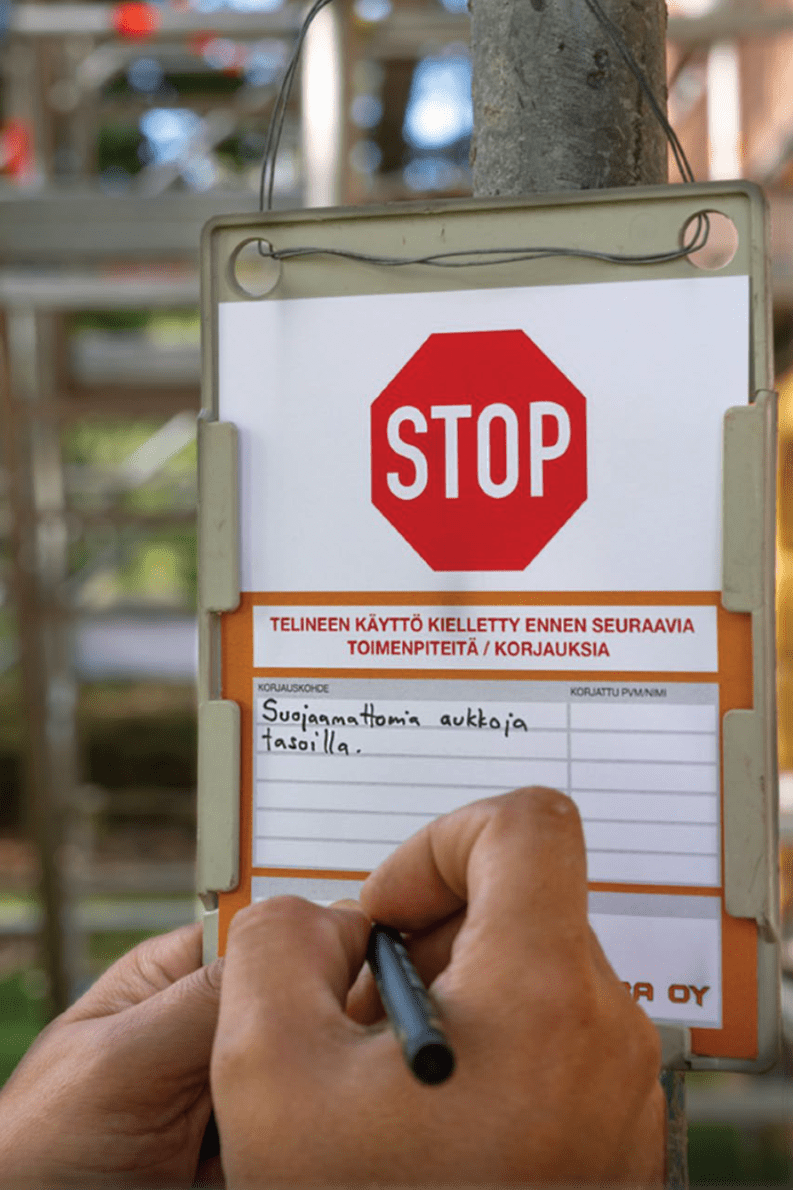
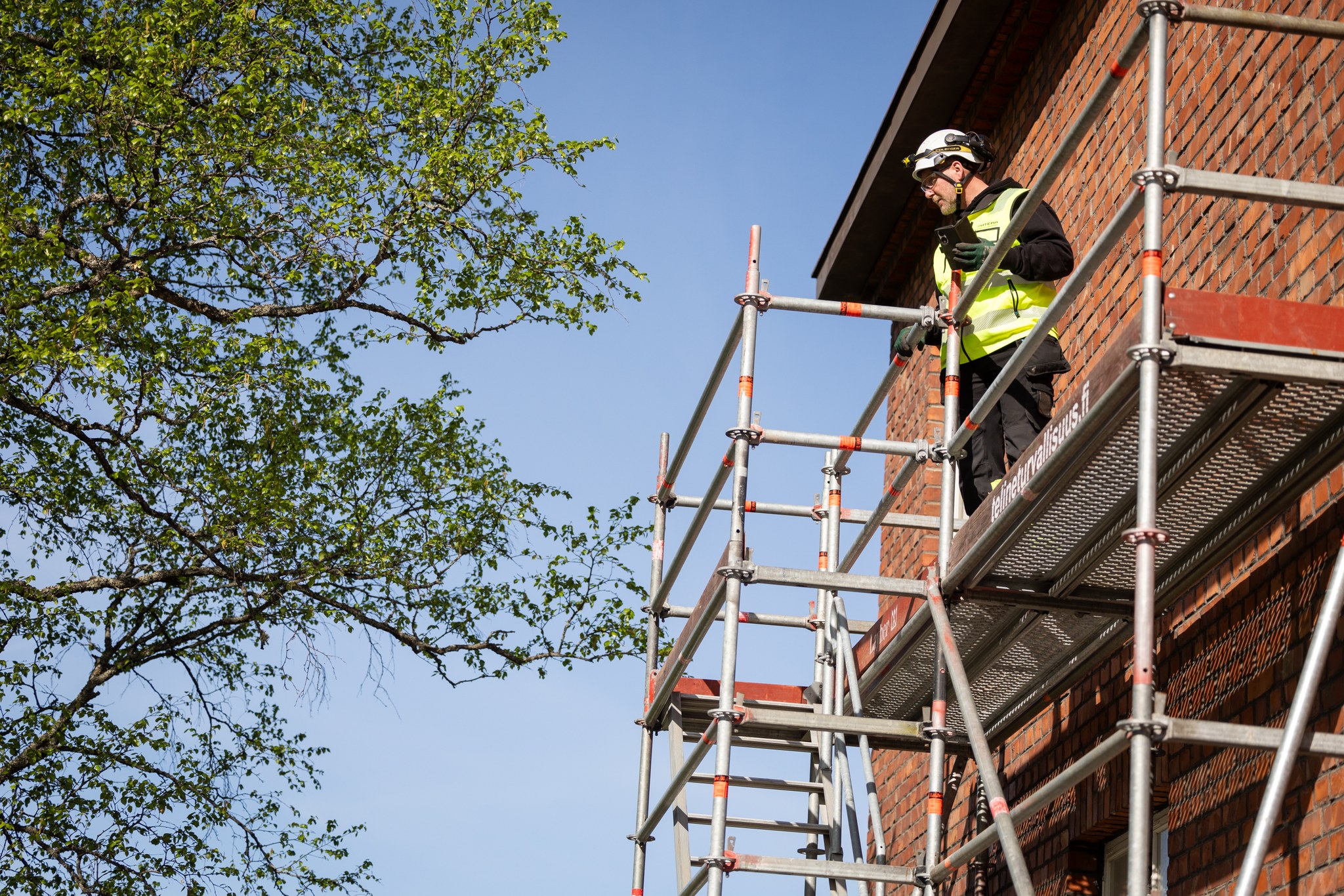
Scaffolding safety requires special expertise. Patera inspects the scaffolding professionally and independently in cooperation with your company and the scaffolding supplier.
Verifying scaffolding safety requires special expertise. Patera does it for you as a scaffolding safety expert, in collaboration with your company and together with your scaffolding supplier.
Scaffolding coordination covers the comprehensive organisation of scaffolding work from the order to the dismantling permit. This frees up your own personnel to fully supervise maintenance and repair work.
Comprehensive PVAT training, PVAT safety surveys and other expert services to help you ensure the safety of your employees and comply with occupational safety regulations.
Patera provides an HSE-qualified person for occupational safety measurement rounds. Our occupational safety measurement experts have years of experience in construction and industrial sites and industrial shutdowns.
Patera’s supervisors are always appropriately qualified for the work in question and ensure that preparatory and safety measures have been carried out and possible emergencies have been prepared for before starting work.
What is the key objective and content of the Occupational Safety and Health Act
The purpose of the Occupational Safety and Health Act 738/2002 is to improve the working environment and working conditions in order to safeguard and maintain the work ability of employees and to prevent occupational accidents, occupational diseases, and other harm to the physical and mental health of employees caused by work and the working environment.
What does occupational safety mean?
Occupational safety means that all physical, psychological and social working conditions have been taken into account at the workplace and that they are in order. The working environment is safe when the work community functions well and the work does not impose excessive strain but the work load is suitable; the work is then meaningful and rewarding and produces results.
What belongs to occupational safety?
Occupational safety is safety management that companies undertake on their own initiative. Occupational safety is one aspect of the overall safety and security of companies. Occupational safety activities are governed by legislation, such as the Occupational Safety and Health Act 738/2002. Occupational safety is implemented through occupational health and safety measures. The Act on Occupational Safety and Health Enforcement and Cooperation on Occupational Safety and Health at Workplaces 44/2006 specifies the requirements for operations depending on the size of the company.
Risk management is a key part of occupational safety, which ensures that safe work is planned in advance and is based on good practices and instructions, and involves commitment to complying with them. In addition, the working environment must be continuously supervised, and operations and instructions must be developed. If someone says “Our company’s safety is now complete”, the alarm bells should start ringing, as safety can and must always be improved, and the process must never stop. The HSE reporting system in use by many companies is a good aid in the improvement of safety, allowing employees to report observed deficiencies, events or hazards in the employer’s area.
All employees must implement occupational safety, comply with regulations and instructions, look after their own and other employees’ safety and health, avoid harassment and inappropriate treatment of other employees, and report without delay any defects and deficiencies in the workplace that may cause harm or danger to the safety or health of employees. This requirement is set out in the Occupational Safety and Health Act.
The Occupational Safety and Health Act requires the employer to familiarise employees and supervisors with workplace hazards and risks and safe working methods. The ordering of scaffolding, for which the supervisors are responsible and for which they are thus also responsible for commissioning and weekly inspections, requires the employer to train them before the commissioning of new tools/scaffolding.
What are the elements of occupational safety?
Occupational safety consists of the company’s goal-oriented occupational safety policy and action programme, which include concrete measures to prevent health hazards at work and ensure occupational safety. Safety must be managed. Management improves occupational safety culture and competence and aims to continuously improve operations. Employees and supervisors are familiarised with their work and with understanding the duties and responsibilities required in the work. The responsibilities may be personal in a legal sense. Safety cooperation with external stakeholders is also very important.
Cooperation in occupational safety and health matters, occupational health examinations carried out by occupational health care, work ability management and workplace surveys carried out by occupational health care in which occupational health and safety risks are assessed, working conditions and working methods are continuously monitored and developed; occupational safety rounds and the correction of defects and deficiencies observed in them, safety briefings for the personnel, their hearing and their opinions about their work and its safety, ergonomics, hazards, and so on. All matters affecting safety must be taken into account.
Occupational safety and its development require a genuine goal and cooperation with all parties, which is based on trust and doing what is promised and agreed. Occupational safety also requires knowledge, skills and a good ATTITUDE. Without a good attitude, knowledge and skills are of no use. Attitude, genuine desire and the reason for a change are the most significant factors affecting occupational safety.
Who is responsible for occupational safety at a shared workplace?
At a shared workplace, occupational safety belongs to everyone. Sections 49-55 of the Occupational Safety and Health Act 738/2002 define the obligations of each party in more detail.
What obligations are imposed on the employee?
Sections 18-23 of the Occupational Safety and Health Act 738/2002 define the obligations and responsibilities of employees. The general obligations of the employee pursuant to Section 18 are as follows:
“Employees shall follow the orders and instructions given by the employer within their own competence. Employees shall even otherwise observe such order and cleanliness, as well as care and caution, that are necessary for maintaining safety and health necessitated by the work and working conditions. Employees shall also, in accordance with their experience, as well as the instruction and guidance provided by the employer, and according to their occupational skills, by available means take care of both their own and other employees’ safety and health. Employees shall avoid such harassment and other inappropriate treatment of other employees in the workplace that cause risk or hazard to their safety or health.”
How can I contribute to occupational safety?
By ensuring that all aspects of the work are in order: for example, protective equipment works and is sufficient; you have rested enough and are therefore alert and know how to work safely. A positive attitude towards occupational safety; stop and think about how your work affects not only yourself but also others. Safe and smooth work involves anticipation, identifying risk situations, understanding one’s own actions, and developing safe operating methods.